When embarking on the journey to enhance your gardens functionality and aesthetics, one crucial aspect to consider is storage. For beginners, the task of choosing the right garden storage solution can seem daunting. However, with a systematic approach to assessing your storage needs, this process can become both manageable and rewarding.
The first step in assessing your storage needs is to take stock of what you intend to store. Begin by compiling a list of all the items you currently own or plan to acquire for your garden. This may include tools, pots, soil, fertilisers, outdoor furniture, and childrens toys. By understanding the volume and type of items you need to store, you can better gauge the size and style of storage that would best suit your needs.
Next, consider the space available in your garden. The size and layout of your garden will significantly influence your storage options. If you have a compact garden, vertical storage solutions such as shelving units or wall-mounted racks might be ideal. These not only save space but also allow you to organise tools and materials efficiently. Conversely, if your garden is more expansive, larger storage solutions like sheds or cabinets could be more appropriate. It is essential to ensure that the storage solution complements the gardens aesthetics, blending seamlessly into the existing landscape.
Another important factor to consider is accessibility. Think about how often you will need to access the items in storage. For frequently used tools and equipment, it might be practical to have easily accessible storage solutions, such as open shelving or a small tool shed located near your work area. For seasonal items or those used less frequently, a more permanent and secure storage option might be preferable.
Durability and weather resistance are also critical considerations, particularly given the unpredictable nature of the UK climate. Garden storage solutions should be capable of withstanding rain, wind, and sunlight. Materials such as treated wood, metal, or high-quality plastic can offer the durability needed to protect your items from the elements.
Security is another aspect that should not be overlooked, especially if you plan to store valuable items. Investing in a storage solution with a lockable door or secure fastening can provide peace of mind, safeguarding your possessions from theft or damage.
Finally, it is important to consider your budget. Garden storage solutions come in a wide range of price points, so it is crucial to find one that meets your needs without breaking the bank. Remember, a higher initial investment in a durable and high-quality storage solution can save money in the long run by reducing the need for repairs or replacements.
In conclusion, assessing your storage needs requires careful consideration of the items you need to store, the space available, accessibility, durability, security, and budget. By taking the time to evaluate these factors, beginners can choose garden storage solutions that enhance the functionality and beauty of their outdoor spaces, making gardening a more enjoyable and efficient endeavour.
When embarking on the journey of gardening, one of the often-overlooked aspects is the necessity for efficient garden storage solutions. For beginners, understanding the various types of garden storage available can be a daunting task. However, with a little exploration, it becomes clear that the right storage not only helps in maintaining a tidy garden but also prolongs the lifespan of your gardening tools and equipment.
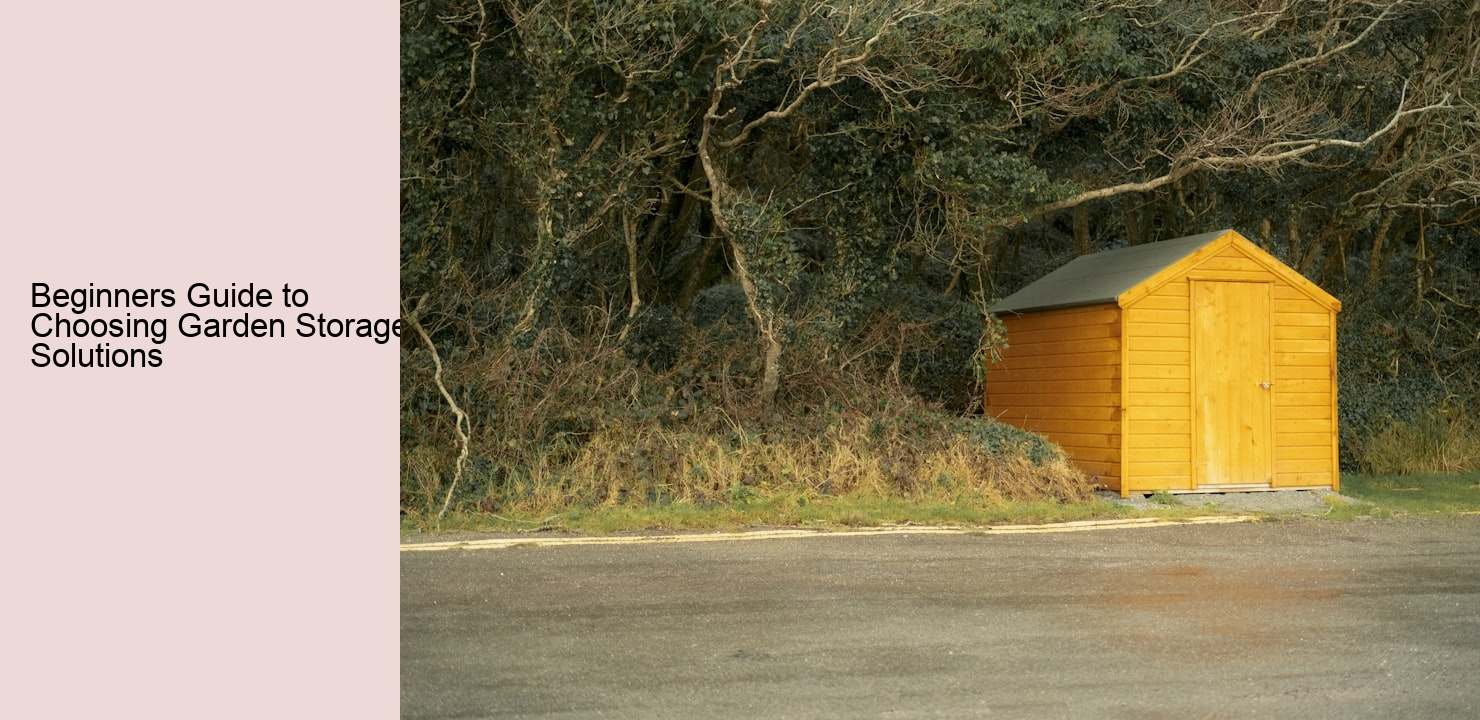
Firstly, lets consider the classic garden shed, a staple in many British gardens. Sheds come in a variety of sizes and materials, ranging from traditional wooden constructions to more contemporary metal or plastic designs. For beginners, a wooden shed might be appealing due to its aesthetic charm and the ability to blend seamlessly into a garden environment. They are versatile and can be used to store anything from lawnmowers to pots and fertilizers. However, it's important to ensure they are treated for weather resistance to protect your stored items from dampness.
For those with limited space, a garden storage box might be a more suitable option. These compact units are perfect for storing smaller tools, garden cushions, or childrens garden toys. They can be made of weather-resistant plastic or wood and often serve the dual purpose of providing additional seating when closed. This type of storage is ideal for beginners who need a simple solution that does not require much maintenance.
Another option is the garden bench with built-in storage. This clever solution combines functionality with aesthetics, providing a hidden compartment beneath a comfortable seating area. It is perfect for storing less frequently used items such as bird seed or plant food, while also enhancing the gardens décor. Beginners might find this option appealing as it does not occupy much space and adds an elegant touch to the garden.
For those who are more invested in the aesthetics of their garden, a potting bench with storage might be the ideal choice. These benches often come with shelves and drawers, offering ample space for storing small tools, pots, and soil. They also provide a dedicated area for potting plants, which is a boon for enthusiastic gardeners. Such a solution can be particularly appealing for beginners who are passionate about growing plants from seeds.
Finally, wall-mounted storage systems offer a smart solution for those who have very limited floor space. By utilising vertical space, these systems can hold tools and equipment safely off the ground, making them easily accessible and keeping them organised. For beginners, this type of storage is an excellent way to start small and expand as their garden grows.
In conclusion, exploring different types of garden storage is essential for beginners in their gardening journey. Each type offers unique benefits, and the choice often depends on the size of the garden, the number of tools, and personal preferences regarding aesthetics and functionality. By considering these factors, beginners can select the most appropriate storage solution that not only keeps their garden tidy but also enhances their gardening experience.
When it comes to creating a serene and organised outdoor space, selecting the right garden storage solution is pivotal. For beginners, understanding the material considerations for outdoor storage is crucial, as it not only affects the appearance but also dictates the durability and functionality of the storage unit. This essay will explore the various materials commonly used in garden storage solutions and provide guidance on choosing the most suitable option for your needs.
One of the most popular materials for outdoor storage is wood. Wooden storage units exude a natural charm that seamlessly blends with garden landscapes. They are available in various types, such as cedar, pine, and teak, each offering different levels of durability and resistance to weather conditions. Cedar, for example, is naturally resistant to rot and insects, making it an excellent choice for outdoor storage. However, wood generally requires regular maintenance, including treatment with preservatives or sealants to prolong its lifespan.
Metal is another robust material option, often chosen for its strength and security features. Metal storage units, typically made from steel or aluminium, are highly durable and can withstand harsh weather conditions. Looking for Storage Boxes for garden-storage . They are particularly resistant to pests and fire, providing an added layer of protection for stored items. Steel units often come with a powder-coated finish to prevent rust and corrosion, although they can become quite hot in direct sunlight, potentially affecting the stored contents.
Plastic storage solutions are ideal for those seeking a low-maintenance option. Made from high-density polyethylene or resin, plastic units are lightweight, weatherproof, and resistant to rot and decay. They require minimal upkeep and are easy to clean, making them a practical choice for busy homeowners. Plastic storage options are available in various styles and colours, allowing for customisation to complement the garden's aesthetic. However, they may lack the sturdiness and security features found in metal or wooden units.
For those who prioritise environmental considerations, recycled materials offer an eco-friendly alternative. Many manufacturers now produce garden storage solutions using recycled plastics or wood composites, providing a sustainable option without compromising on quality. These materials often combine the benefits of both wood and plastic, offering resistance to weather and decay while reducing the environmental impact.
When choosing the material for your garden storage, consider the climate of your region, the level of maintenance you are willing to commit to, and the aesthetic you wish to achieve. Each material has its own set of advantages and drawbacks, so evaluate them in the context of your personal needs and preferences. By understanding the material considerations for outdoor storage, beginners can make informed decisions that enhance the functionality and beauty of their garden spaces.
When embarking on the journey to enhance your garden with storage solutions, budgeting and cost considerations play a crucial role in ensuring a successful and satisfactory outcome. Choosing the right garden storage solution involves more than simply picking out a shed or a storage box; it requires a careful assessment of your financial boundaries and the value you wish to garner from your investment.
To begin with, it is important to establish a clear budget before diving into the myriad of options available on the market. This budget should reflect not just the cost of the storage unit itself, but also any additional expenses that might arise, such as delivery charges, installation fees, or preparatory work required for its placement. By setting a realistic budget from the outset, you can avoid the pitfalls of overspending and ensure that your garden storage solution is both practical and economically viable.
Once a budget is in place, the next step is to evaluate the different types of storage solutions available and how they align with your financial plan. Garden storage solutions range from simple plastic boxes to elaborate wooden or metal sheds, each varying significantly in price. Plastic options tend to be more affordable and offer a decent level of protection against the elements, making them a popular choice for those on a tighter budget. However, they may not provide the same aesthetic appeal or durability as wooden or metal alternatives.
Wooden storage solutions, while generally more expensive, offer a traditional and rustic charm that can enhance the overall look of your garden. They are also highly customisable, allowing you to tailor the storage to suit your specific needs. On the other hand, metal storage solutions are often seen as a more robust and secure option, ideal for storing valuable garden equipment. Though they may come at a higher cost, their durability and security features might justify the investment for those with pricier tools or equipment.
Beyond the initial purchase price, it is also crucial to consider the long-term costs associated with your chosen storage solution. Maintenance and upkeep can vary significantly between materials. For instance, wooden sheds may require regular treatment to prevent rot and weather damage, while metal storage solutions might necessitate rust prevention measures. These ongoing costs should be factored into your budget to provide a more comprehensive understanding of the total investment.
Additionally, cost considerations should include the potential value that the storage solution adds to your property. A well-chosen and well-maintained garden storage solution can enhance the aesthetic appeal of your garden, making it more inviting and functional. This improvement can potentially increase the overall value of your property, offering a return on investment that extends beyond mere storage capabilities.
In conclusion, when selecting a garden storage solution, budgeting and cost considerations are pivotal elements that require careful deliberation. By establishing a clear budget, understanding the different options available, considering long-term expenses, and recognising the potential value added to your property, you can make an informed decision that balances practicality, durability, and financial prudence. With thoughtful planning, your garden storage solution can become a valuable addition to your outdoor space, providing both functionality and aesthetic appeal.