Integrating Traditional Cotswold Techniques with Modern Wellness
In the heart of England, the Cotswolds, renowned for its rolling hills and quintessentially British charm, has long been a beacon of traditional craftsmanship. This area, steeped in history, is home to artisans who have perfected their crafts over generations, using techniques that have stood the test of time. However, as the world evolves, so too does the demand for innovative solutions to modern living. One such innovation is the integration of traditional Cotswold techniques with modern wellness trends, specifically in the realm of infrared living.
The concept of infrared living is rooted in the use of infrared technology to promote wellness and recovery. Unlike conventional heating systems, infrared technology uses invisible light to warm the body directly, offering a host of health benefits, including improved circulation, detoxification, and relaxation. This modern approach to wellness is gaining popularity as people become increasingly aware of the importance of holistic health practices in their daily lives.
In the Cotswolds, where craftsmanship is revered, the challenge lies in blending these cutting-edge wellness practices with the areas rich heritage. Craftsmen are now tasked with creating spaces that honour traditional aesthetics while accommodating the needs of contemporary living. This fusion of old and new is where Cotswold craftsmanship meets modern recovery, paving the way for the future of infrared living.
One can envision the timeless appeal of a Cotswold stone cottage, with its honey-coloured limestone walls and wooden beams, seamlessly integrating state-of-the-art infrared technology. This marriage of tradition and modernity not only preserves the architectural beauty of the region but also enhances the health and well-being of its inhabitants. The use of natural materials, integral to Cotswold craftsmanship, complements the eco-friendly nature of infrared technology, which is both energy efficient and sustainable.
Moreover, the emphasis on craftsmanship ensures that the implementation of infrared technology does not compromise the integrity or authenticity of the structures. Skilled artisans employ techniques passed down through generations, ensuring that each installation is not only functional but also a work of art in its own right. This approach respects the past while embracing the future, allowing for a harmonious balance between heritage and innovation.
The integration of traditional Cotswold techniques with modern wellness practices such as infrared living offers a glimpse into the future of sustainable, healthy living. It represents a forward-thinking approach that acknowledges the value of preserving heritage while adapting to the demands of modern life. As people increasingly seek out environments that support their well-being, the Cotswolds stands as a testament to how tradition and innovation can coexist, creating spaces that are as nurturing as they are beautiful.
In conclusion, the future of infrared living in the Cotswolds is a compelling narrative of balance and harmony, where the craftsmanship of yesteryear meets the wellness needs of today. This synergy not only enhances quality of life but also ensures that the rich legacy of the Cotswolds continues to thrive in a modern world. Through this integration, the Cotswolds is poised to lead the way in redefining what it means to live well in the 21st century.
The Science Behind Infrared Therapy
In recent years, the convergence of traditional craftsmanship and modern technology has led to fascinating innovations, one of which is the incorporation of infrared therapy into everyday living. As this trend grows, the picturesque Cotswolds-known for its timeless architecture and skilled artisans-finds itself at the forefront of a revolution in health and wellness design. By integrating infrared technology into the fabric of Cotswold craftsmanship, a new frontier in home recovery solutions is emerging, promising not only aesthetic appeal but also significant health benefits.
Infrared therapy, at its core, involves the use of infrared light to penetrate the skin and provide therapeutic heat. Unlike traditional heat applications, infrared rays warm the body directly without excessively heating the surrounding air. This method of heat delivery is more efficient and can potentially offer a range of health benefits, from improved circulation and detoxification to pain relief and relaxation. The science behind infrared therapy is grounded in its ability to mimic the sun's warmth, promoting a natural and non-invasive method of healing that resonates with the body's own energy systems.
The allure of infrared therapy lies in its simplicity and effectiveness. It stimulates the body at a cellular level, enhancing processes such as metabolism and tissue repair. Scientific studies have shown that infrared therapy can increase blood flow, reduce inflammation, and alleviate chronic pain, making it an attractive option for those seeking holistic recovery solutions. As people become more health-conscious and seek out natural therapies, the appeal of infrared technology continues to grow.
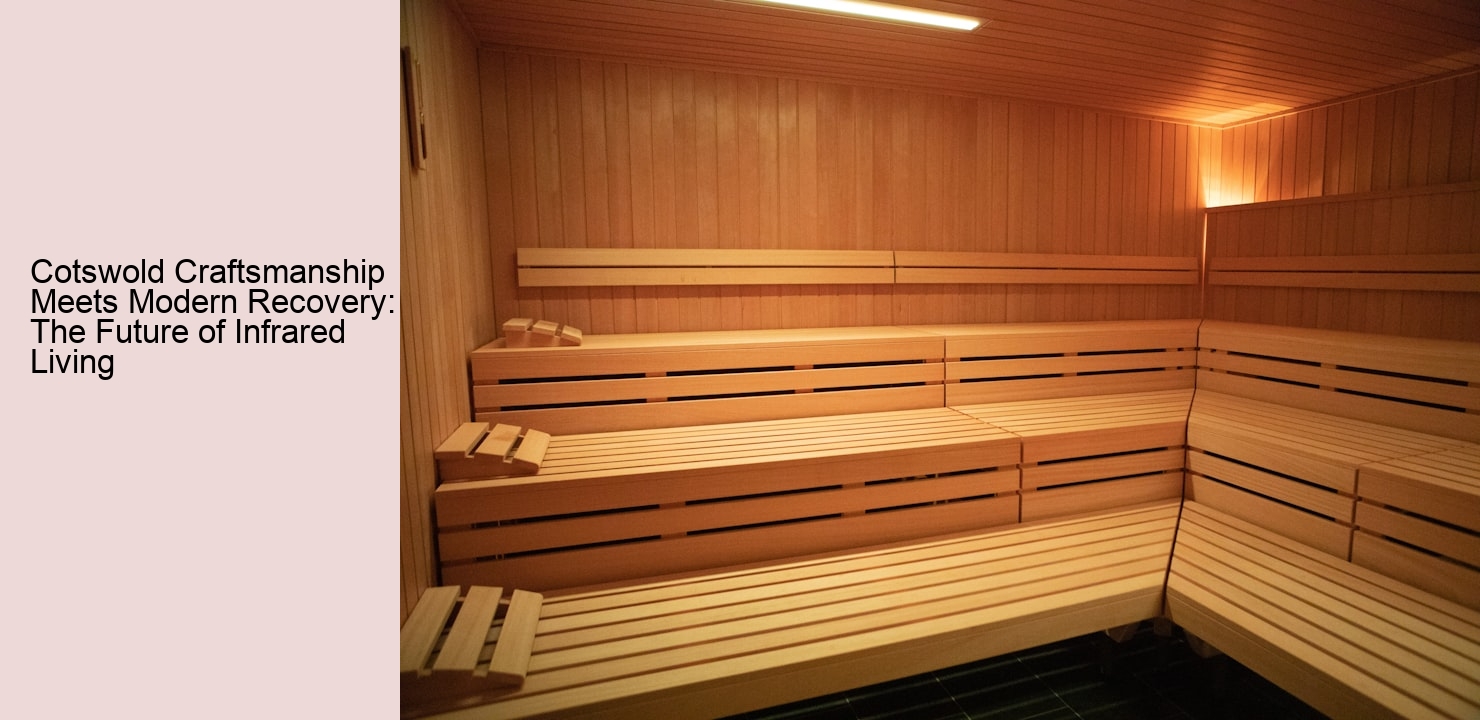
In the Cotswolds, this modern approach to health is being beautifully married with traditional craftsmanship. The region, celebrated for its stone cottages and historic charm, is seeing a shift as artisans begin to incorporate infrared technology into bespoke designs that maintain the aesthetic integrity of the area. Whether through elegant saunas that blend seamlessly into country homes or innovative flooring that radiates warmth, the fusion of infrared therapy with traditional design is creating spaces that are both healing and harmonious.
The integration of infrared living into Cotswold craftsmanship is not just about health; its a nod to sustainability and energy efficiency as well. Infrared systems typically consume less energy compared to conventional heating methods, aligning with the growing need for eco-friendly solutions. This blend of old and new not only respects the heritage of the Cotswolds but also addresses contemporary concerns about environmental impact and energy consumption.
As we look to the future, the synergy between Cotswold craftsmanship and modern recovery technologies like infrared therapy offers a compelling vision of how our living spaces can evolve. By embracing the warmth of infrared technology, homeowners can enjoy the dual benefits of aesthetic beauty and enhanced well-being, creating a sanctuary that reflects both tradition and innovation. In this way, the Cotswolds stands as a beacon of how historical elegance can seamlessly meet the demands of modern life, crafting a legacy that is both timeless and forward-thinking.
Case Studies: Success Stories from the Cotswold Community
The Cotswold Community, nestled in the heart of England, has long been celebrated for its picturesque landscapes and rich heritage in craftsmanship. This region, with its rolling hills and honey-coloured stone cottages, has inspired artisans for generations. Recently, however, it has become the backdrop for a revolutionary approach to modern living, where traditional craftsmanship meets cutting-edge technology. A shining example of this is the integration of infrared technology in home designs, promising a healthier and more sustainable future.
At the heart of this transformation is the notion of Infrared Living, a concept that combines the aesthetic and environmental sensibilities of Cotswold craftsmanship with the innovative potential of infrared technology. The idea is simple yet profound: to create homes that are not only beautiful and harmonious with their surroundings, but also technologically advanced to improve the well-being of their inhabitants.
One of the standout success stories from the Cotswold Community is the restoration of a quintessential Cotswold cottage by a group of forward-thinking architects and craftsmen. This project sought to preserve the architectural integrity of the historic building while incorporating modern heating solutions. The integration of infrared panels into the structure offered a discreet and energy-efficient means of heating, a perfect fit for the old stone walls that are cherished yet challenging to insulate.
Infrared technology works by emitting heat directly to objects and people, rather than warming the air. This method not only reduces energy consumption but also creates a more comfortable and consistent indoor environment. For the residents of the restored cottage, this meant enjoying the charm of their heritage home without the common drawbacks of draughts and uneven heating. Moreover, infrared heating is known for its health benefits, such as reducing allergens and improving air quality, which adds another layer of modern living to this traditional setting.
This successful integration of technology and tradition in the Cotswold Community serves as a beacon for future developments. It showcases how embracing new technologies does not necessitate abandoning cultural heritage; rather, it can enhance and preserve it for future generations. As more homes in the Cotswolds and beyond explore this harmonious blend, the potential for infrared living appears limitless.
The future of Cotswold craftsmanship is now being redefined through these success stories. By combining the regions renowned artisan skills with innovative technologies, the community is leading the way in creating living spaces that respect the past while embracing the future. Find out more about Telos Wellness here. This synergy not only promises a renaissance in sustainable living but also ensures that the timeless beauty of the Cotswold landscape is preserved, offering a blueprint for other regions to follow.
In conclusion, the Cotswold Communitys journey into the realm of infrared living is a testament to the power of innovation when it respects tradition. As this movement gains momentum, it represents a model of how communities can thrive by marrying the best of the old with the promise of the new. The Cotswolds, with its legacy of craftsmanship, is poised to become a leader in the quest for sustainable, healthy, and aesthetically pleasing living environments.
The Future of Infrared Living in the UK and Beyond
In the picturesque landscapes of the Cotswolds, a unique fusion of tradition and innovation is quietly unfolding. Known for its charming villages and rich history of craftsmanship, this region is now at the forefront of a modern movement that promises to redefine comfort and wellness: the integration of infrared technology into everyday living.
The concept of Infrared Living might sound like something from a science fiction novel, but it is swiftly becoming a reality, not just in the UK but across the globe. At the heart of this transformation are the artisans and craftspeople of the Cotswolds, who are marrying their time-honoured skills with cutting-edge technology to create living spaces that promote health and well-being.
Infrared technology works by emitting infrared light waves, which gently warm the objects and people in a room, rather than just heating the air. This type of heating is energy-efficient and provides a more consistent and comfortable warmth. Its a stark contrast to traditional convection-based heating systems, and its benefits extend beyond mere comfort. Infrared has been shown to have therapeutic properties, improving circulation, relieving pain, and promoting relaxation.
In the Cotswolds, this modern innovation is being seamlessly integrated into the quintessential elements of the regions architecture. Traditional stone cottages and timber-framed homes are being equipped with infrared heating panels that blend in with the aesthetic of these historic buildings. Craftsmen are designing bespoke furniture and fixtures that incorporate infrared elements, ensuring that the technology enhances rather than detracts from the character of these homes.
The fusion of Cotswold craftsmanship and infrared technology is also a testament to sustainable living. Infrared systems are known for their efficiency, often requiring less energy than conventional heating methods. This aligns perfectly with the growing global emphasis on reducing carbon footprints and preserving the environment. By adopting infrared technology, the people of the Cotswolds are not only enhancing their quality of life but also contributing to a more sustainable future.
Beyond the borders of the UK, the appeal of infrared living is gaining momentum. Countries around the world are beginning to explore how this technology can be adapted to their own architectural styles and climate needs. What started as a niche approach in a quaint English region is becoming a global trend, with potential applications ranging from residential homes to public spaces and healthcare facilities.
The future of infrared living is bright, promising a world where the comforts of home are enhanced by the benefits of advanced technology. As the Cotswolds continue to lead this revolution, they serve as a reminder that the most innovative solutions often arise from the harmonious blending of the old with the new. By embracing infrared technology, the artisans of this region are not only preserving their heritage but are also crafting a healthier, more sustainable future for generations to come.